Learning That Works Anywhere: Accessible, Resilient Web Labs

Designing Inclusive Virtual Labs From The Ground Up
Perceivable Experiments: Multiple Modalities Without Noise
Offer synchronized captions, transcripts, and audio descriptions for demonstrations and simulations, ensuring cues like blinking alerts also appear as text and haptic feedback where available. Replace dense color-only charts with patterns, labels, and data tables students can sort, download, and analyze offline. Use semantic HTML and ARIA thoughtfully so screen readers narrate measurements, states, and outcomes clearly, while avoiding redundancy that overwhelms attention during precise investigative steps.
Operable Interactions: Keyboard-First By Design
Guarantee every control—from sliders representing voltages to pipette buttons—works flawlessly with a keyboard. Provide clear focus indicators, logical tab order, and skip links to bypass repetitive panels. Replace drag-and-drop only steps with accessible toggles or stepper controls that announce values. Offer generous target sizes, debounced input timing, and confirmation affordances to prevent accidental submissions. These patterns support motor diversity and reduce cognitive load during complex procedures.
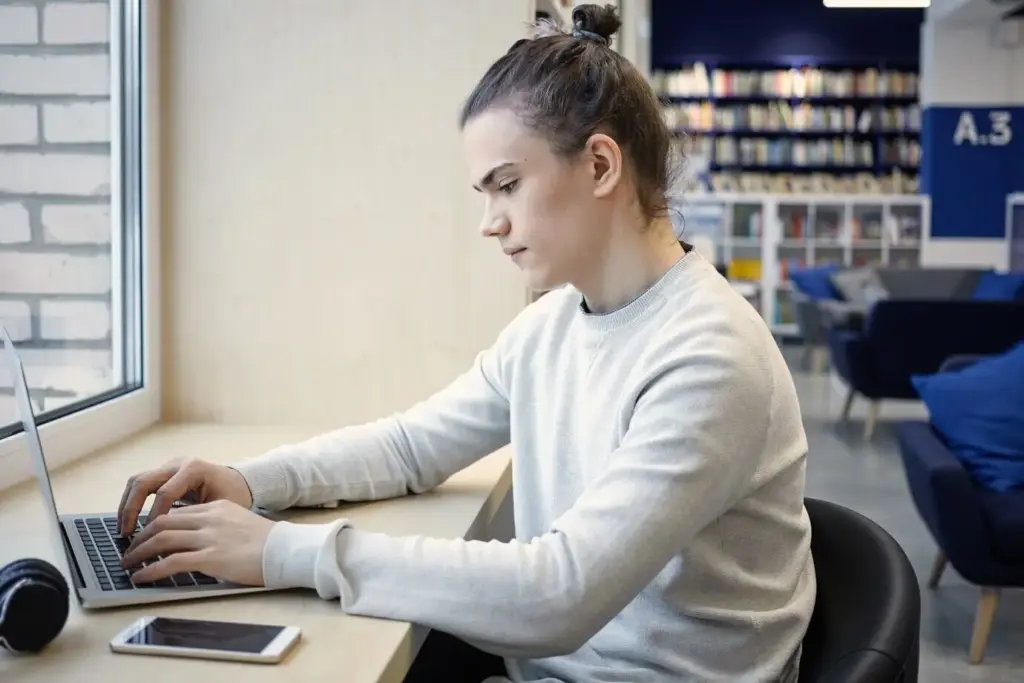

Building Reliable Offline Experiences That Actually Teach
Assistive Technology Compatibility And Testing Pipelines
Screen Reader Narratives That Match The Lab
Robust Focus Management In Dynamic Interfaces
Accessible Visualizations For Data-Heavy Experiments
Data Synchronization, Conflicts, And Academic Integrity

Low-Bandwidth UX Patterns For Remote And Rural Students

Deliver The Core First, Enhance When Possible

Media Strategy: Efficient, Captioned, And Optional

Resilient Collaboration Without Heavy Real-Time Dependencies
Assessment, Feedback, And Support That Never Go Dark
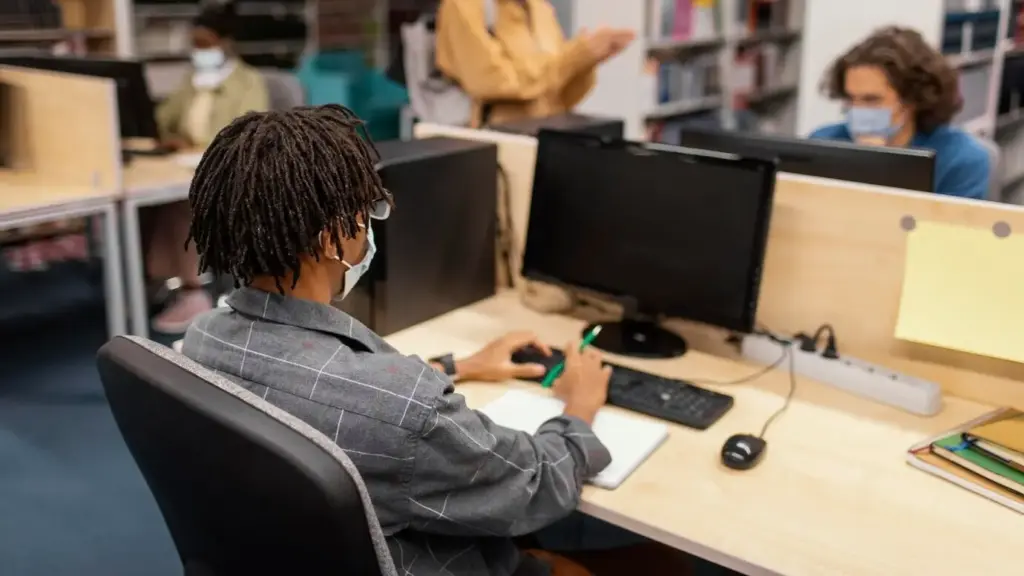
Stories From Classrooms, Farms, And Ferries

All Rights Reserved.